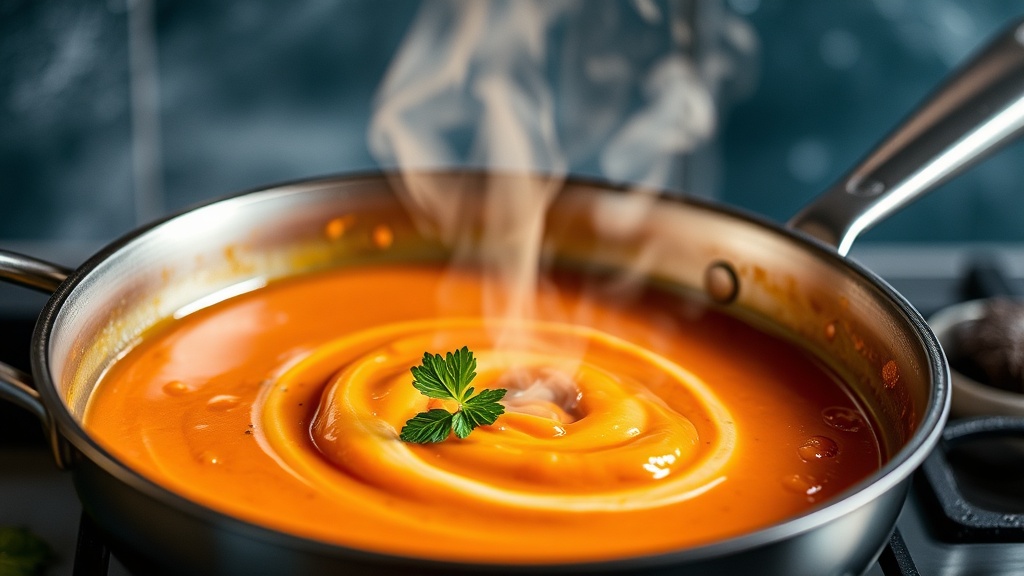
Build Better Pan Sauces for Your Midday Meals

Why should you bother making a pan sauce?
Ever wonder why that chicken breast or salmon fillet you cooked at home tastes slightly "flat" compared to what you get at a restaurant? It isn't just the seasoning; it's the absence of a pan sauce. A pan sauce is a concentrated burst of flavor created right in the same pan used to cook your protein. It captures the browned bits—the bits of flavor stuck to the bottom of the pan—and turns them into a silky, cohesive liquid that coats your food. Instead of tossing your pan in the sink immediately after cooking, you're actually using the most flavorful part of the cooking process to finish the meal. This technique turns a basic protein and vegetable combo into a complete, restaurant-style dish.
When you cook meat or vegetables in fat, a layer of browned residue forms on the bottom of the pan. In the culinary world, this is called the fond. If you don't use it, you're leaving flavor on the table. A pan sauce uses liquid to lift that residue, combining it with fats and aromatics to create something much more interesting than a simple drizzle of oil. It's a fast way to add depth to a lunch that might otherwise feel one-dimensional. Whether you're working with a small skillet or a heavy cast iron, the principle remains the same: capture the leftovers of the cooking process and turn them into a liquid gold.
How do you make a pan sauce from scratch?
Most people think making a sauce requires hours of simmering, but a classic pan sauce takes less than five minutes. You'll need a few basic components: a fat, a liquid, and an acid. First, remove your cooked protein from the pan and set it aside on a plate to rest. You'll likely see a pool of fat or some browned bits left behind. If there's too much oil, pour some out, but keep enough to sauté your aromatics. If you're using a non-stick pan, you might need to add a small knob of butter or a splash of oil to get things moving.
Next, add your aromatics. This could be finely minced shallots, garlic, or even just some dried herbs. Sauté them for a minute until they smell great. Now comes the most important step: deglazing. Pour in a liquid—this could be a splash of white wine, chicken stock, or even just water—and use a wooden spoon or a heat-resistant spatula to scrape those browned bits off the bottom. This is where the magic happens. As the liquid bubbles, it pulls the fond back into the sauce. Once the liquid has reduced by about half, you've got the base of your sauce. For a thicker texture, whisk in a pat of cold butter at the very end. This technique, known as monter au beurre, gives the sauce a glossy, professional finish.
What liquids work best for deglazing?
The liquid you choose dictates the entire profile of your meal. If you're looking for something bright and light, a dry white wine or a splash of lemon juice works wonders. For a deeper, more savory profile, consider using a high-quality stock or even a bit of beef broth. If you want to experiment with different flavor profiles, try using different liquids to see how they react with your pan drippings:
- White Wine or Vermouth: Great for poultry or seafood; adds acidity and brightness.
- Chicken or Vegetable Stock: A safe, reliable way to build a savory base without too much risk.
- Apple Cider Vinegar or Verjuice: Excellent if you want a sharp, tangy finish to cut through heavy fats.
- Soy Sauce or Miso Paste: If you're working with an Asian-inspired protein, these can provide instant umami.
Keep in mind that the more intense the liquid, the more it will dominate the dish. If you're using a strong balsamic vinegar, the sauce will be very bold. If you're using a light vegetable stock, it will be subtle. It's a balancing act. You can find more technical details on various cooking liquids and their properties at the Serious Eats website, which is a fantastic resource for understanding ingredient behavior.
Which aromatics add the most flavor?
Aromatics are the unsung heroes of the pan sauce. They provide the scent and the foundational taste that sits underneath the liquid. While garlic and shallots are the standard, you aren't limited to them. If you're making a quick lunch, you might not have time for a complex prep, so keep a jar of minced garlic or even a small bottle of shallot confit in your pantry. These can be tossed into the pan in seconds.
For a more nuanced approach, think about what you're eating. If you're cooking salmon, perhaps a bit of lemon zest and fresh dill would be a better fit than heavy garlic. If you're doing a steak or a hearty chicken thigh, maybe some thyme or rosemary would be more appropriate. The goal is to match the aromatics to the protein you've already cooked. If you're ever unsure about how to pair flavors, the Food Network often has great guides on flavor pairing that can help you build confidence.
Don't forget about the role of acidity. A sauce can often feel too heavy or greasy if it's just fat and stock. A quick squeeze of lemon, a drop of sherry vinegar, or even a tiny bit of Dijon mustard can "lift" the sauce, making it feel lighter and more balanced. This isn't just about adding sourness; it's about creating a contrast that makes the other flavors pop. It's the difference between a sauce that feels heavy in your stomach and one that feels vibrant and bright.
Common mistakes to avoid
The most frequent mistake is letting the aromatics burn. If you add your garlic or shallots to a pan that is too hot, they will turn bitter and black in seconds. This will ruin your sauce. Always turn the heat down slightly before adding your aromatics. Another common error is not scraping the pan enough. If you don't vigorously scrape the bottom during the deglazing stage, you'll miss out on the most important part of the process. You want every bit of that browned residue to be incorporated into the liquid.
Also, watch your reduction time. If you let the liquid boil away too much without adding more, you'll end up with a salty, concentrated mess. A pan sauce should be a liquid that coats the back of a spoon, not a thick paste. If it gets too thick, just add a tablespoon of water or stock to loosen it up. It's a living thing that changes every second it's on the heat. Stay present, watch the color, and taste as you go. This level of attention is what turns a basic lunch into a standout meal.