Crafting Packed Lunches That Stay Delicious: A Guide to Flavor, Texture, and Freshness

What Makes a Packed Lunch Go From Good to Unappealing?
Imagine opening your lunchbox, eager for a midday reprieve, only to find a culinary disappointment: soggy greens, bland grains, or a sandwich that has utterly collapsed under its own weight. This isn't just a minor inconvenience; it can truly diminish the enjoyment of your lunch, leaving you feeling unsatisfied and perhaps even a bit deflated. The truth is, many packed lunches fall victim to common pitfalls that compromise their flavor, texture, and overall appeal within hours of preparation. Understanding these challenges is the first step toward building a better, more appetizing midday meal.
One of the most frequent culprits is moisture transfer. Think about a perfectly crisp salad packed with dressing already on it. By lunchtime, that vibrant crunch has often surrendered to a soggy, wilted mess. Liquids from dressings, sauces, or even juicy vegetables like tomatoes can migrate, softening delicate ingredients and turning once-firm textures into mush. Similarly, sandwiches with high-moisture fillings, especially if packed directly against bread, can lead to a sad, pasty situation.
Temperature control also plays a significant role. Food that isn't kept at its optimal temperature—cold foods cold, hot foods hot—can not only pose a food safety risk but also degrade in quality. A chilled pasta salad that warms up to room temperature can lose its refreshing zest, while a reheated dish that never quite gets hot enough can taste dull and uninspired. Oxidation is another silent attacker, causing ingredients like sliced apples or avocados to brown, altering their taste and appearance. And of course, there’s the sheer monotony of eating the same thing every day, which can make even a well-prepared meal feel utterly uninspired. These factors combined often transform a promising lunch into an unappealing one.
How Can You Build a Lunchbox That Battles Sogginess?
The battle against sogginess is primarily won through strategic separation and ingredient choice. The golden rule for preventing a watery demise is simple: keep wet and dry components apart until just before eating. This principle is especially vital for salads, where dressings should always be packed in a separate, small container and added right before you toss your greens. If you're building a layered salad in a jar, put the dressing at the very bottom, followed by sturdy vegetables, then grains, protein, and finally, your delicate greens and crunchy toppings like nuts or croutons at the top. This creates a natural barrier, keeping everything crisp.
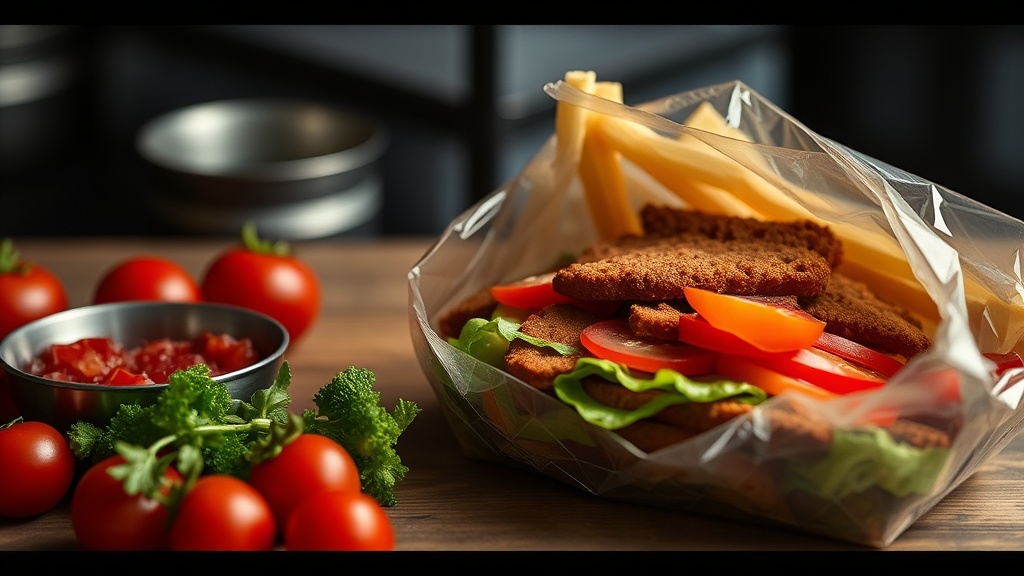
For sandwiches and wraps, consider the order of your fillings. Create a moisture barrier by placing sturdier ingredients, such as cheese slices, large lettuce leaves, or even a thin layer of cream cheese or hummus, directly against the bread. This helps prevent watery ingredients like tomatoes or pickles from making direct contact and turning your bread into pulp. Alternatively, pack high-moisture items separately and add them at lunchtime. Opt for robust, crusty breads or sturdy wraps over very soft ones, as they tend to hold up better against fillings. When packing fruits, choose whole fruits like apples, pears, or berries that don't release much liquid, or if slicing, use a little lemon juice to prevent browning and keep them in an airtight container.
Beyond separation, ingredient selection matters. Certain vegetables, like cucumber or bell peppers, have higher water content but are also relatively firm, making them good choices if packed carefully. Delicate leafy greens, however, are often best kept separate or introduced as part of a very dry mix. When preparing components, ensure they are thoroughly cooled before packing. Warm food generates condensation, which can lead to moisture buildup inside your lunchbox, fostering sogginess. For more on safe food storage and preparation, consult resources like the