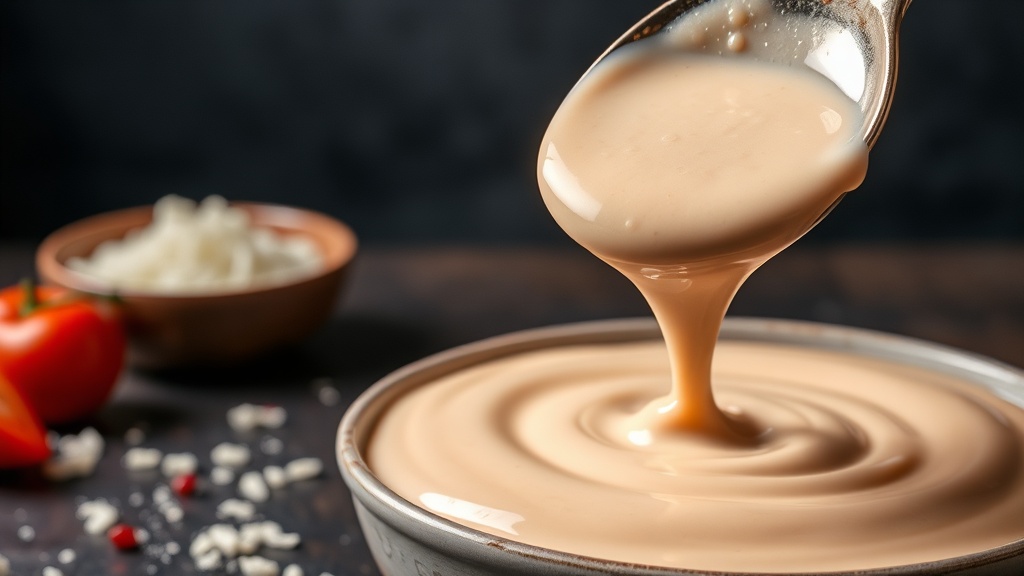
Create a Velvety Sauce with Just Cornstarch and Water

Have you ever tried to thicken a sauce only to end up with a lumpy, gelatinous mess that looks more like glue than a culinary delight? This post explains how to use a simple cornstarch slurry to achieve a professional, glossy finish for any liquid-based dish. We'll look at the science of starch gelatinization, the correct ratios for different textures, and how to avoid common mistakes that ruin your homemade sauces.
How Much Cornstarch and Water Do You Need?
The ratio for a standard cornstarch slurry is typically one tablespoon of cornstarch to two tablespoons of cold water. This specific mixture creates a stable suspension that prevents the starch from clumping when it hits a hot liquid. If you want a thinner consistency, like a light glaze, you'll use less; for a thick, heavy sauce, you'll increase the starch concentration.
It's not a one-size-fits-all situation. Depending on what you're making—a thin gravy versus a thick stir-fry sauce—your requirements will change. I usually keep a small container of Bob's Red Mill Cornstarch in my pantry because it's consistent and easy to measure out. (A quick tip: always use cold water, never hot, to prevent premature clumping before the mixture even hits the pan.)
Here is a quick breakdown of how different amounts affect your final texture:
| Desired Texture | Cornstarch Amount | Water Amount | Best Used For |
|---|---|---|---|
| Light Glaze | 1 tsp | 2 tbsp | Fruit glazes, light vinaigrettes |
| Standard Sauce | 1 tbsp | 2 tbsp | Gravies, basic pan sauces |
| Thick Sauce | 2 tbsp | 4 tbsp | Stir-fry sauces, heavy stews |
Why Does My Sauce Turn Out Lumpy?
Lumps occur when the starch granules absorb heat too quickly without being properly dispersed in a liquid. When you add dry cornstarch directly to a hot pan, the outside of the powder cooks instantly, creating a waterproof seal around a dry center. This results in those annoying, translucent "blobs" that ruin the mouthfeel of a sauce.
To avoid this, you must create a "slurry" first. Mix the cornstarch and cold water in a separate small bowl or cup until it looks like milk. Once it's a smooth, white liquid, you can slowly drizzle it into your simmering base. This ensures every single starch particle is hydrated and ready to expand evenly. If you don't have time for a separate bowl, you can use a whisk vigorously in the pan, but a pre-mixed slurry is much more reliable.
If you've already messed up and have lumps in your sauce, don't panic. You can pass the entire sauce through a fine-mesh strainer to catch the solids. It's a temporary fix, but it saves the dish. If you're making something more complex, like a sauce involving fermented elements, you might find that miso paste adds depth, but it can also change how much starch you need to add.
It's also worth noting that temperature matters. If your liquid is at a rolling boil, the starch will react almost instantly. If you're working with a delicate sauce, try lowering the heat slightly before adding the slurry to give yourself a window of control.
What Is the Best Way to Thicken a Sauce?
The most effective way to thicken a sauce with cornstarch is to add the slurry slowly while the liquid is at a gentle simmer, not a violent boil. This method allows the starch to disperse and gelatinize without clumping. You should also remember that cornstarch-based sauces often look thinner when they are hot than they actually are—they really "set" as they cool slightly.
I've found that using a high-quality starch makes a difference in the final sheen. While any generic brand works, the properties of cornstarch are predictable and reliable for home cooks. If you want a sauce that is crystal clear and shiny—like a Chinese takeout sauce—cornstarch is your best friend. If you want a cloudy, opaque sauce (like a traditional gravy), you might consider a roux, but for pure translucency, stick to the slurry.
Here is my preferred process for a foolproof result:
- Prepare the Slurry: In a small cup, combine your cornstarch and cold water. Stir until no lumps remain.
- Simmer the Base: Ensure your main sauce or liquid is hot and simmering.
- The Slow Pour: Pour the slurry in a thin stream while whisking the main liquid constantly.
- The Test: Wait about 60 seconds. Starch takes a moment to reach its full thickening power once it hits the heat.
- Adjust: If it's too thin, make a tiny bit more slurry and add it. If it's too thick, add a splash of water or broth.
Don't forget that cornstarch is a neutral thickener. It won't change the flavor of your sauce, which is a huge advantage. If you were using a flour-based roux, you'd have to cook out the "raw flour" taste first. With cornstarch, you're just adding texture. This makes it perfect for adding to a quick pan sauce after sautéing vegetables or proteins.
One thing to watch out for is the "over-thickening" trap. If you add too much, the sauce can become rubbery or even "weep" liquid later. It's better to under-shoot and add more than to over-shoot and have to start over. If you're making a hearty meal, perhaps something involving crispy golden nuggets, a slightly thicker sauce can help the sauce cling to the crispy exterior without making it soggy immediately.
The science behind this is quite simple. Cornstarch consists of two types of granules: amylose and amylopectin. When heated in water, these granules swell and eventually burst, releasing the starch into the liquid to create that velvety, viscous texture we love. This process is known as gelatinization. According to food science standards, the starch reaches its peak thickening capacity at around 175°F (79°C). If your liquid doesn't reach this temperature, the sauce might stay thin and watery.
On the other hand, if you're working with highly acidic liquids—like a lemon juice-heavy sauce or a heavy vinegar-based dressing—the starch might not work as effectively. Acid can break down the starch chains, meaning you might need a slightly higher concentration to get the same result. It's a small detail, but it's the kind of thing that separates a good cook from a great one.
The beauty of this technique is its simplicity. You don't need fancy equipment or expensive ingredients. Just a little bit of starch, a little bit of water, and a bit of patience. Once you master the slurry, you'll never go back to struggling with lumpy sauces again.
Steps
- 1
Mix cold water and cornstarch in a small cup
- 2
Stir until the mixture is completely white and opaque
- 3
Slowly pour the slurry into your simmering liquid while stirring constantly