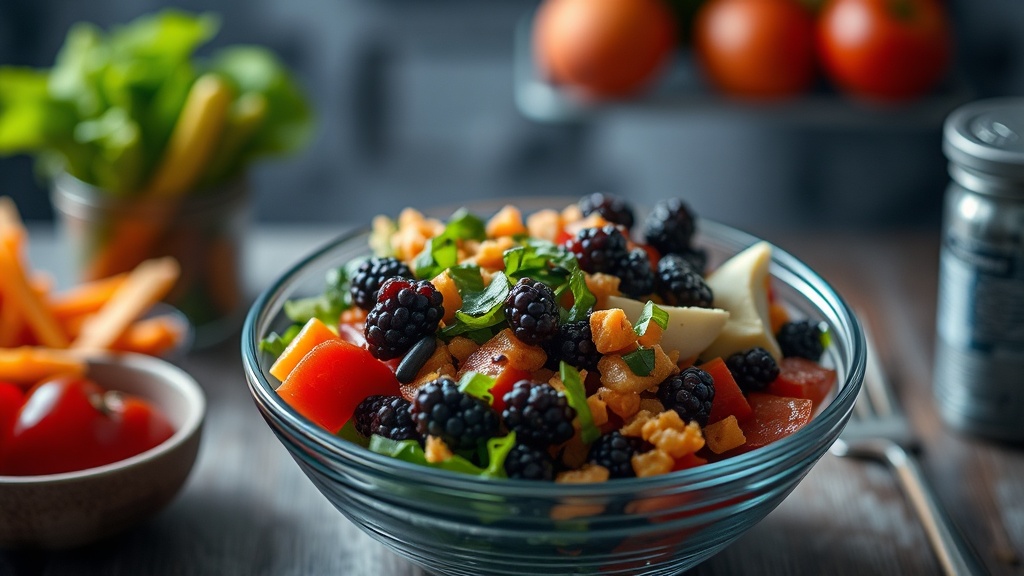
How to Build the Perfect Meal Prep Lunch Bowl
A well-constructed meal prep lunch bowl keeps weekdays organized, nutritious, and genuinely satisfying. This guide breaks down exactly how to assemble balanced, flavorful bowls that hold up through five days in the refrigerator. You'll learn the component formula, smart storage strategies, and specific ingredient combinations that work together—so lunch stops being an afterthought and starts being something to look forward to.
What Makes a Balanced Meal Prep Bowl?
A balanced meal prep bowl follows a simple ratio: 50% vegetables, 25% protein, 25% complex carbohydrates, plus healthy fats for satiety. This formula (often called the "plate method") ensures steady energy throughout the afternoon without the dreaded 3 PM crash.
The beauty of this approach? It's flexible. You don't need precise measurements or fancy kitchen scales. A standard Pyrex 4-cup glass container holds roughly the right volume for most adults. Fill half with colorful vegetables, add your protein and grain to the remaining space, then drizzle or toss with fats just before eating.
Here's the thing—balance isn't just about macros. Texture matters too. A bowl of soft rice, soft beans, and soft roasted vegetables feels monotonous. Smart meal prep includes textural contrast: crunchy raw vegetables against creamy dressings, chewy grains beside tender proteins.
Vegetables: The Foundation
Start with vegetables that maintain their texture. Roasted sweet potatoes, broccoli, cauliflower, and Brussels sprouts work beautifully. Raw carrots, snap peas, cherry tomatoes, and cucumbers add crunch.
Some vegetables don't survive five days. Leafy greens wilt, avocados brown, and sliced cucumbers get waterlogged. If you want greens, pack them separately or add them the morning of. For avocado lovers—a squeeze of lemon juice helps, but honestly? Slice it fresh.
Protein: Building the Center
Chicken thighs outperform breasts for meal prep. They're more forgiving (read: harder to dry out) and often cheaper. Season simply: salt, pepper, paprika, maybe garlic powder. Roast at 425°F until internal temperature hits 165°F.
Plant-based options abound. Baked tofu (pressed, cubed, tossed with soy sauce and cornstarch, then baked at 400°F until crispy) holds remarkably well. Lentils—cooked with bay leaf and a splash of vinegar—offer complete protein when paired with grains. Hard-boiled eggs work for shorter preps (3-4 days maximum).
What Are the Best Grains for Meal Prep Bowls?
Short answer: grains that maintain texture without getting gummy. Brown rice, quinoa, farro, and wheat berries outperform white rice and pasta for week-long storage.
Quinoa deserves special mention—it's technically a seed, contains all nine key amino acids, and reheats without becoming mushy. The catch? It needs proper cooking. Rinse thoroughly (removes bitter saponins), toast in a dry pan briefly, then cook in a 1:1.75 ratio with salted water or broth.
Farro and wheat berries offer chewy, satisfying textures that don't degrade. They take longer to cook (30-45 minutes), so batch-cooking a big pot on Sunday pays dividends. These ancient grains also pack more fiber than rice—keeping you full longer.
Worth noting: cauliflower rice works for low-carb bowls, but it's not a grain substitute in terms of satisfaction. If going this route, increase protein and fat portions accordingly.
How Do You Keep Meal Prep Bowls Fresh All Week?
Proper cooling and storage technique prevents soggy disasters and food safety issues. Hot food shouldn't go directly into the refrigerator—this raises the overall temperature and creates bacterial risk zones. Let components cool separately at room temperature for 30-45 minutes first.
Storage containers matter more than most people think. Glass containers with tight-fitting lids (like Pyrex Snapware or IKEA 365+ glass containers) prevent flavor transfer and won't stain. They're also microwave-safe—a practical necessity for office lunches.
Some components need separation. Store dressings in small containers or jars. Keep delicate items (fresh herbs, crunchy toppings) in separate small bags or compartments. Many quality container sets now include divided sections specifically for this purpose.
The Sunday Assembly Line
Efficient meal prep requires strategy. Don't cook five completely different meals—cook components that mix and match. Roast multiple sheet pans of vegetables. Cook a big batch of grains. Prepare two or three proteins. Then assemble varied combinations.
This approach takes 2-3 hours upfront but eliminates daily cooking decisions. It also prevents "meal prep burnout"—eating the exact same thing daily gets old fast. With component prep, Wednesday's bowl can feature chicken, quinoa, and roasted vegetables while Thursday switches to tofu, farro, and different seasonings.
Meal Prep Bowl Template: Build Your Own
Use this framework to create endless variations. The combinations are genuinely endless—here's a starter table for inspiration:
| Category | Option A | Option B | Option C |
|---|---|---|---|
| Base Grain | Quinoa (cooked in vegetable broth) | Brown rice | Wheat berries or farro |
| Protein | Roasted chicken thighs | Baked tofu (soy sauce + sesame) | Hard-boiled eggs + chickpeas |
| Vegetables (roasted) | Sweet potato + broccoli | Cauliflower + carrots | Brussels sprouts + red onion |
| Vegetables (raw) | Shredded cabbage + snap peas | Cherry tomatoes + cucumber | Shredded beets + greens |
| Healthy Fat | Tahini dressing | Avocado (add fresh) | Olive oil + toasted nuts |
| Flavor Boosters | Feta cheese + lemon | Pickled red onion | Fresh herbs + sesame seeds |
Five Proven Bowl Combinations
Staring at ingredients without inspiration? These combinations have been tested (and enjoyed) repeatedly:
Mediterranean Chicken Bowl: Quinoa base, roasted chicken thighs seasoned with oregano, cucumber-tomato salad, Kalamata olives, feta cheese, tzatziki on the side. The yogurt-based sauce keeps better than oil-based dressings.
Asian-Inspired Tofu Bowl: Brown rice, baked tofu glazed with soy sauce and honey, steamed broccoli, shredded cabbage, pickled ginger, sesame seeds. Dress with Kikkoman reduced-sodium soy sauce mixed with rice vinegar and sesame oil.
Southwest Black Bean Bowl: Cilantro-lime rice (use day-old rice for best texture), black beans seasoned with cumin, roasted sweet potatoes, corn salsa, pickled jalapeños. Top with crushed tortilla chips just before eating.
Harvest Grain Bowl: Farro base, roasted butternut squash and Brussels sprouts, dried cranberries, toasted pecans, goat cheese. Dress with apple cider vinaigrette. This one improves as flavors meld—day three is peak deliciousness.
Thai Peanut Noodle Bowl: Whole wheat noodles (slightly undercooked—they'll soften in storage), edamame, shredded carrots, red cabbage, fresh cilantro. Peanut sauce on the side: peanut butter, lime juice, soy sauce, and a touch of sriracha.
What About Food Safety?
Cooked grains and proteins last 4-5 days refrigerated at 40°F or below. The USDA provides comprehensive food storage guidelines worth bookmarking. When in doubt, freeze—most meal prep bowls freeze well for up to three months.
Reheating requires bringing food to 165°F internal temperature. Office microwaves vary wildly in power. Start with 2 minutes, stir, then continue in 30-second intervals. Adding a tablespoon of water before covering helps rehydrate grains that have dried slightly.
Frozen bowls should thaw overnight in the refrigerator—never on the counter. The "danger zone" (40°F-140°F) is where bacteria multiply rapidly. Once thawed, eat within 24 hours for best quality.
Common Mistakes to Avoid
Overdressing ruins meal prep. Dressings make greens soggy and can break down proteins over time. Always pack separately. Small glass jars (4-ounce Ball jars) work perfectly—just toss and eat.
Under-seasoning is another pitfall. Food tastes more subdued when cold. What seems perfectly seasoned hot might taste bland cold. Season boldly—extra herbs, an extra pinch of salt, a splash of acid (lemon, vinegar).
Skipping variety leads to abandonment. Eating the same lunch five days straight gets old by Wednesday. Prep two different bowl styles, or at least vary your proteins. Your taste buds—and your motivation—will thank you.
"The best meal prep is the one you'll actually eat. Start simple, master the basics, then get creative."
Advanced Tips for Meal Prep Veterans
Once you've mastered the basics, consider batch-prepping flavor bases. Sofrito, curry pastes, and compound butters can transform identical components into completely different meals. A base of roasted chicken and vegetables becomes Mexican with salsa verde, Indian with tikka masala sauce, or French with Dijon vinaigrette.
Invest in quality tools. A sharp chef's knife (the Victorinox Fibrox Pro offers exceptional value at under $50) makes vegetable prep faster and safer. Sheet pans—heavy-duty, not flimsy aluminum—ensure even roasting. Silicone baking mats eliminate stuck vegetables and reduce cleanup.
Portion control happens naturally with the 50/25/25 method, but containers matter too. Using consistent containers helps eyeball appropriate servings without weighing. Four-cup containers suit most adults; larger appetites might need five cups.
Building the perfect meal prep lunch bowl isn't complicated—it just requires a system. Start with quality ingredients, apply the component method, store properly, and vary your flavors. By Thursday, when colleagues are debating between sad desk sandwiches or expensive takeout, you'll be enjoying a fresh, flavorful, perfectly balanced meal that took zero morning effort.
Steps
- 1
Choose Your Base Grain or Greens
- 2
Add Your Protein Source
- 3
Load Up on Vegetables and Toppings