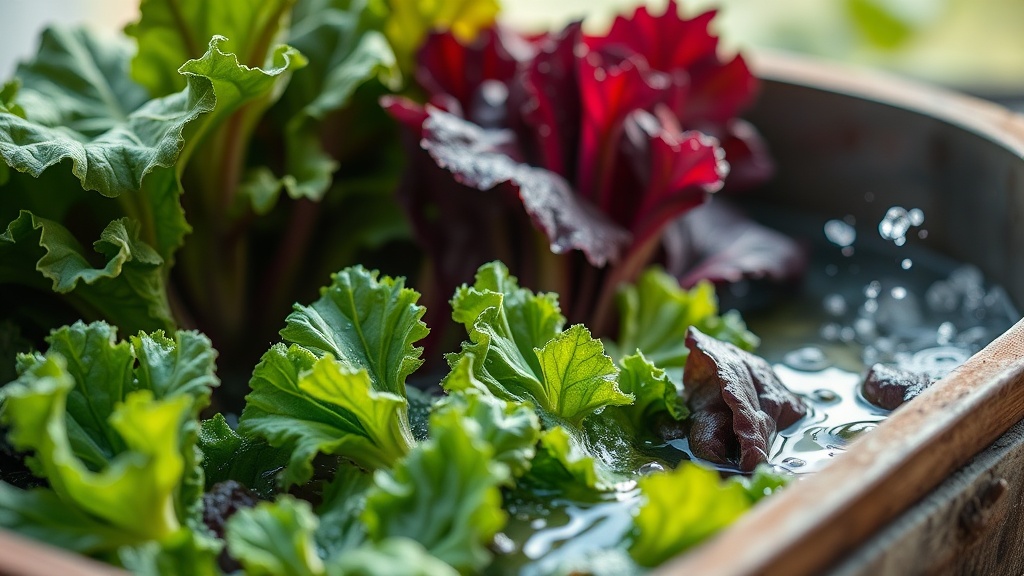
Revive Your Wilted Greens with a Quick Cold Water Shock

Quick Tip
A 10-minute soak in ice-cold water can restore the turgor pressure in wilted greens, making them crunchy again.
You'll learn how to use a simple cold water shock to restore texture and volume to limp, wilted leafy greens. This method saves money by preventing food waste and ensures your salads or garnishes stay crisp and appetizing.
How Do You Fix Wilted Greens?
The fastest way to fix wilted greens is to submerge them in a bowl of ice-cold water for 10 to 15 minutes. This process, often called "shocking," works by rehydrating the plant cells through osmosis. When greens lose moisture, they lose turgor pressure—that's the internal water pressure that keeps a leaf stiff—and they go limp. The cold water forces moisture back into the cell walls, making them snap-crisp again.
It works wonders for arugula, spinach, and even slightly drooping kale. Just make sure the water is actually cold; a splash of ice cubes from your refrigerator freezer makes a big difference.
A quick warning: don't do this with greens that are actually rotting or slimy. If they smell off or have dark, mushy spots, the water shock won't save them. You're looking for "sad" greens, not "dead" greens.
Which Greens Work Best for This Method?
Most leafy vegetables that have simply lost their crispness due to heat or age will respond well to an ice bath. However, some greens are more resilient than others.
| Green Type | Success Rate | Best Use After Shocking |
|---|---|---|
| Arugula | Very High | Salad bases or garnish |
| Baby Spinach | High | Smoothies or fresh salads |
| Romaine Lettuce | High | Caesar salads |
| Kale | Moderate | Massaged salads |
If you're working with hearty greens like kale, you might still want to massage them with a bit of olive oil afterward. This helps the texture feel even more premium.
Can You Use This for All Vegetables?
No, this method is specifically for leafy greens and certain vegetables that rely on high water content for structure. While it works for things like radishes or carrots (if you slice them thin first), it isn't a universal fix for all produce. For example, a soft tomato won't become firm again just because it sat in cold water.
I often use this trick when I'm preparing a more complex lunch. If I'm using a high-quality culinary technique to prepare a meal, the texture of the greens is just as important as the seasoning. A limp piece of lettuce can ruin the mouthfeel of an entire dish.
- Fill a large bowl with cold water and add plenty of ice.
- Submerge the wilted greens completely (they shouldn't float on top).
- Wait 10–15 minutes.
- Drain the greens thoroughly in a salad spinner.
- Pat dry with a clean towel before serving.
One thing to watch out for: if you leave them in the water too long, they might become waterlogged and lose their flavor. Keep a close eye on the clock.