Tinned Fish is Not Survival Food: Why High-End Conservas are Your Best Midday Solution

The Myth of the Stinky Tin
Most people think tinned fish is a compromise—a dusty can of tuna hidden in the back of the pantry for emergencies or a quick, smelly snack for a camping trip. That's a massive mistake. We're not talking about those water-packed chunks of grey mush you find at the bargain grocery store. We're talking about conservas: high-quality seafood preserved at the absolute peak of freshness, often by hand, in some of the best olive oils on the planet. This isn't survival food; it's the most efficient way to get a restaurant-quality lunch in your own kitchen in under five minutes. If you've been avoiding the tin aisle because of a bad childhood memory of tuna salad, you're missing out on the smartest lunch hack available.
Why is Spanish and Portuguese tinned fish so much better?
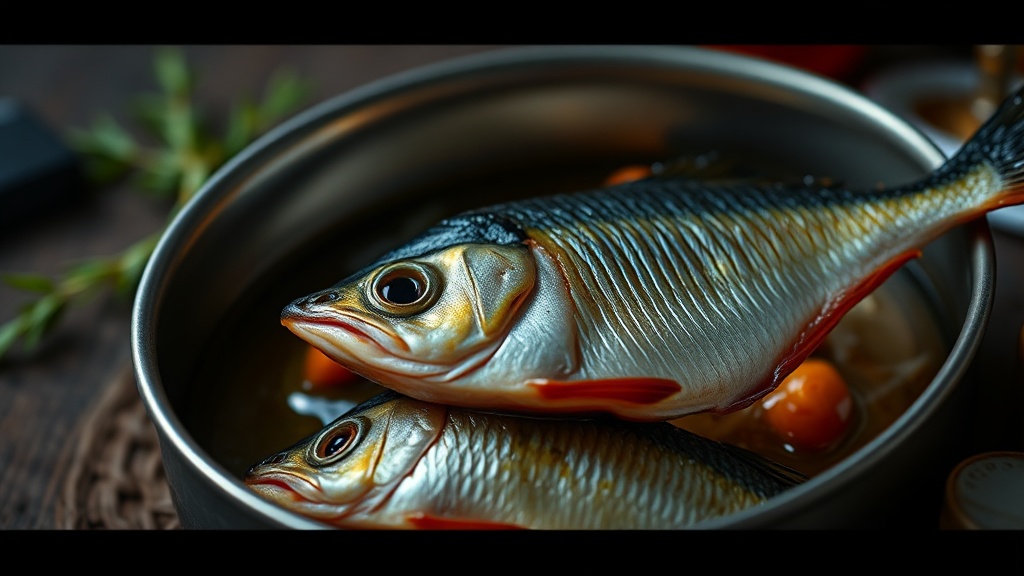
The difference isn't just the fish—though that's a big part of it—it's the process. In places like Spain and Portugal, canning is an art form that has been refined over centuries. They don't just throw whatever is left over into a can. They use the best catch from the morning, clean it by hand, and pack it with care. The oil they use is usually high-grade extra virgin olive oil that picks up the flavor of the seafood over time. It's basically a slow-aging process inside the tin. When you open a can of high-end sardines from a reputable producer, you'll see the silver skin is still intact, the fish are perfectly aligned, and the smell is fresh—not fishy. It’s also about the seasoning. Whether it’s a spicy piri-piri pepper, a slice of lemon, or a rich tomato sauce, these additions are balanced to highlight the fish, not hide it.