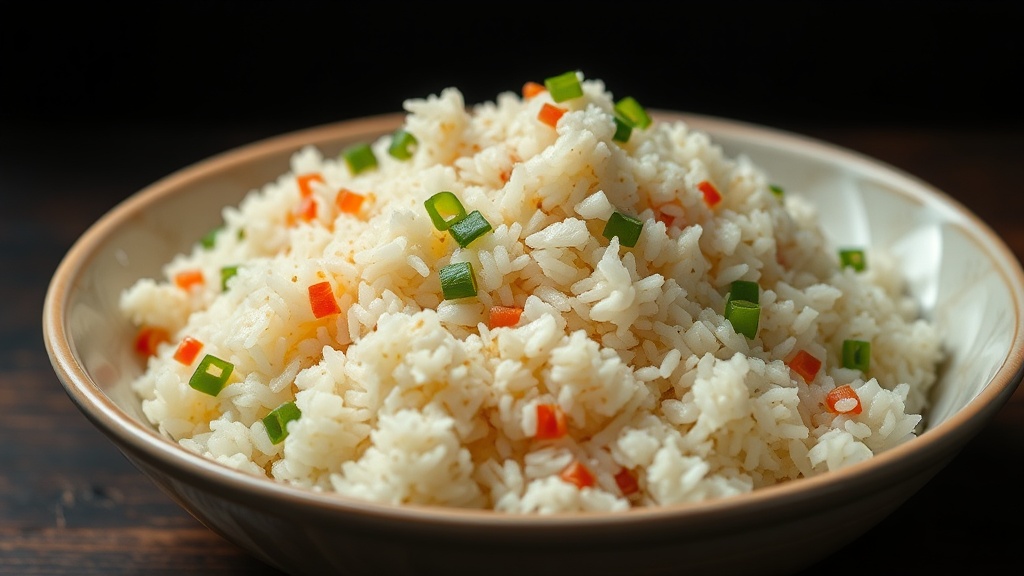
What Can You Actually Make With Leftover Rice? 7 Satisfying Lunch Transformations

What Can You Actually Make With Leftover Rice? 7 Satisfying Lunch Transformations
Ever stared at a container of day-old rice and wondered if there's anything beyond fried rice? You're not alone—cooked rice is one of the most abandoned leftovers in home kitchens. Yet cold rice, with its firm texture and neutral canvas, is arguably more versatile than when it's freshly steamed. This post explores seven distinct ways to transform leftover rice into lunches you'd actually look forward to eating—no sad microwave reheats involved.
Why Does Cold Rice Work Better for Some Dishes?
Fresh rice is tender and moist, which makes it comforting but structurally weak. When rice cools overnight in the refrigerator, something happens: the starch molecules retrograde, firming up each grain. This isn't a flaw—it's an advantage. Cold rice holds its shape when tossed with dressing, fried in oil, or packed into portable formats.
The Montreal approach to rice (heavily influenced by our diverse food scene) treats leftovers as a starting point, not an ending. From the Vietnamese rice paper rolls in Côte-des-Neiges to the Lebanese hashweh rice dishes you'll find in family kitchens across the city, we've learned that yesterday's rice often outperforms today's.
1. Rice Salad with Crunchy Vegetables and Lemon-Tahini Dressing
This isn't your typical mayonnaise-heavy side dish. Cold rice makes an excellent base for grain salads that stay distinct instead of turning mushy. The key is treating the rice like any other grain—bulgur, farro, or quinoa—and dressing it assertively.
Start with two cups of cold rice. Add diced cucumber, shredded carrot, thinly sliced radish, and a handful of fresh herbs—parsley, mint, or cilantro all work. For the dressing, whisk together tahini, lemon juice, a touch of garlic, and enough water to thin it to a pourable consistency. The acidity brightens the cold rice while the tahini adds body that clings to each grain.
Pack this in a container with the dressing on the side if you're meal-prepping. The rice absorbs flavors beautifully over 24 hours without losing its textural integrity. A sprinkle of toasted sunflower seeds or chopped pistachios adds the crunch factor that separates good lunch from great lunch.
2. Crispy Rice Cakes with a Runny Egg
Leftover rice compresses remarkably well. Mix two cups of cold rice with one beaten egg, a quarter cup of breadcrumbs, and seasonings of your choice—scallions, grated ginger, or even a bit of crumbled feta. Form into patties about three inches across and half an inch thick.
Fry these in a non-stick skillet with a thin layer of oil over medium heat. The exterior develops a golden crust while the interior stays tender. Top with a fried or poached egg, and you've got a lunch that feels intentional rather than improvised. The yolk becomes a sauce that pulls everything together.
This technique works with any rice variety, though short-grain Japanese rice (the kind you'd use for sushi) creates the most cohesive cakes. If your rice is particularly dry, add a tablespoon of water to the mixture before forming patties.
3. Stuffed Peppers Without the Oven Wait
Traditional stuffed peppers require baking time that doesn't fit a lunch schedule. Instead, use cold rice as the base for a no-bake filling that comes together in minutes. Sauté ground meat or crumbled tempeh with onions and spices, then mix with your leftover rice and a handful of grated cheese.
Cut bell peppers in half lengthwise and remove the seeds. Fill each half generously with the rice mixture. These don't need cooking—the raw pepper provides fresh crunch that contrasts with the savory filling. If you prefer a softer pepper, microwave the halves for two minutes before stuffing.
This approach saves 45 minutes of oven time while delivering the same flavor profile. It's particularly practical for batch cooking: make the filling on Sunday, stuff peppers throughout the week as needed.
4. Rice Porridge (Congee) from Already-Cooked Grains
Congee typically starts with raw rice simmered for hours until it breaks down into a creamy porridge. But you can achieve a similar result in twenty minutes using leftover rice—perfect for lunch when you want something warm and soothing.
Combine one cup of cold rice with four cups of chicken or vegetable broth in a pot. Bring to a boil, then reduce to a simmer. The rice will gradually release its starch, thickening the broth into a silky porridge. Stir occasionally to prevent sticking. The longer you simmer, the thicker it becomes—stop when it reaches your preferred consistency.
Top with shredded chicken, a drizzle of sesame oil, sliced scallions, and a few drops of soy sauce. Some cooks add a raw egg during the final minute of cooking; the residual heat poaches it gently. For more on congee's cultural significance and regional variations across Chinese cuisine, Serious Eats offers an excellent deep dive.
5. Quick Rice Paper Rolls with Dipping Sauce
Vietnamese rice paper rolls (gỏi cuốn) usually feature rice noodles, but leftover jasmine rice works surprisingly well as the starchy component. The grains adhere to each other just enough to stay put while providing a more substantial bite than vermicelli.
Soak a rice paper wrapper in warm water until pliable—about fifteen seconds. Lay it flat and arrange a small amount of rice, cooked shrimp or tofu, julienned vegetables, and fresh mint leaves. Roll tightly, tucking in the sides as you go. The rice helps everything stay cohesive.
The dipping sauce matters here. Nuoc cham combines fish sauce, lime juice, sugar, garlic, and chili—a balance of salty, sour, sweet, and heat that makes these rolls addictive. Peanut sauce is another option if you prefer something richer. These rolls hold up well for several hours, making them ideal for packed lunches.
6. Fried Rice That's Actually Worth Eating
Yes, fried rice appears on every leftover rice list—but most home versions disappoint. The problems are predictable: soggy grains, uneven seasoning, ingredients that steam instead of sear. The fix isn't more oil; it's proper technique.
Use a wok or your largest skillet—crowding is the enemy of good fried rice. Heat it until smoking, then add oil. Cook your aromatics (garlic, ginger, scallion whites) for thirty seconds until fragrant. Add protein if using, cook through, then push everything to the sides. Crack an egg into the center, scramble it, and mix it in.
Now add your cold rice. Break up clumps with your spatula and let it sit undisturbed for a minute before stirring—this creates the characteristic smoky flavor (wok hei) and prevents mushiness. Season with soy sauce, a touch of sugar, and white pepper. Finish with scallion greens. The rice should be separate grains, each coated in seasoning, not swimming in sauce.
For authentic technique and ingredient ratios, Ethan Chlebowski's fried rice methodology breaks down the science behind what makes restaurant versions superior.
7. Rice Pudding for a Sweet Lunch Finishing Note
Who says lunch can't end with something sweet? Rice pudding transforms leftover rice into dessert with minimal effort. Unlike stovetop versions that require constant stirring, baked rice pudding is hands-off and develops a creamy texture without the vigilance.
Combine two cups of cold rice with two cups of milk, a quarter cup of sugar, a beaten egg, a teaspoon of vanilla, and a pinch of salt. Pour into a buttered baking dish and bake at 325°F for about 45 minutes, stirring once halfway through. The top should be golden with slightly set custard underneath.
Serve warm or cold, topped with cinnamon, fresh fruit, or a dollop of jam. It's comfort food that uses up leftovers while feeling like a treat. For a savory spin, omit the sugar and vanilla, add grated cheese and herbs, and you've got a rice pudding that works as a side dish.
How Long Can You Safely Keep Cooked Rice?
Food safety deserves mention here. Cooked rice is a breeding ground for Bacillus cereus, a bacterium that survives cooking and multiplies at room temperature. The solution is simple: cool rice quickly after cooking (spread it on a baking sheet if needed) and refrigerate within one hour. Store for up to four days, or freeze for up to three months.
Never leave cooked rice at room temperature for extended periods. When reheating, ensure the internal temperature reaches 165°F. These precautions become second nature once you integrate them into your cooking routine. The FDA's food safety guidelines provide comprehensive information on proper rice storage and handling.
What's Your Go-To Leftover Rice Move?
These seven approaches represent just a starting point. The best leftover rice strategy is the one that fits your actual eating habits—whether that's meal-prepped rice salads for desk lunches or quick fried rice when you need something hot and immediate. The common thread is viewing cold rice not as a limitation but as an ingredient with specific textural advantages.
Start with one technique that appeals to you. Master it. Then experiment. The rice you cooked on Sunday might become Tuesday's highlight rather than Thursday's regret.