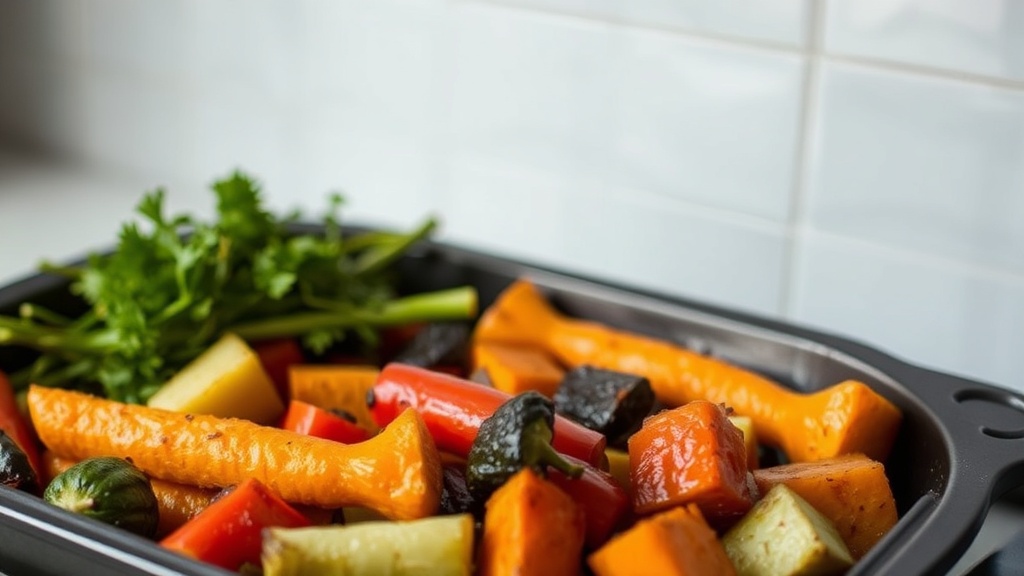
Why Your Roasted Vegetables Look Sad and How to Fix Them

Ever pulled a tray of vegetables out of the oven only to find a puddle of gray, mushy disappointment instead of the crispy, golden-brown edges you saw in that recipe photo? It's a common frustration. Most people assume roasting is a "set it and forget it" method, but there's a fine line between perfectly caramelized vegetables and a soggy mess. This post breaks down the physics of heat, moisture, and surface area to ensure your roasted sides actually taste good.
Can I roast vegetables at a higher temperature?
If you're looking for that charred, crispy exterior, you need heat. Many home cooks play it safe with 375°F (190°C), but for many vegetables—think cauliflower, Brussels sprouts, or root vegetables—you really want to push closer to 425°F (220°C) or even 450°F (230°C). The goal isn't just to cook the inside; it's to trigger the Maillard reaction. This is the chemical reaction between amino acids and reducing sugars that creates those savory, browned flavors. Without high heat, you're just steaming the vegetables in their own juice.
However, you can't just crank the heat without a plan. If you use high heat on vegetables with high water content (like zucchini or mushrooms) without proper preparation, you'll end up with a swamp on your baking sheet. You want the water to evaporate quickly so the heat can actually reach the surface of the vegetable. A quick tip: if you're using frozen vegetables, thaw them completely and pat them dry. If you throw them in frozen, the ice turns into steam, and you'll never get that crunch.
The Problem with Crowding the Pan
This is perhaps the most frequent mistake I see. If you pile your vegetables on top of each other, you aren't roasting; you're steaming. When vegetables are packed tightly, the moisture escaping from one piece hits the piece next to it. Instead of the air circulating and drying out the surface, the moisture gets trapped. You end up with limp, translucent vegetables rather than something with structural integrity.
Always use a large sheet pan—preferably a heavy-duty rimmed baking sheet—and ensure there is plenty of space between each piece. If you find yourself needing to stack them, use a second pan. It's better to have two pans with single layers than one pan with a mountain of vegetables. You can check the science of heat transfer and vegetable structure through resources like The Exploratorium to understand how heat moves through different densities.
Which Oil Should You Use for Roasting?
Not all fats are created equal when it comes to high-heat roasting. If you're roasting at 425°F, you need an oil with a high smoke point. Using extra virgin olive oil (EVOO) isn't a crime, but if you use a low-quality EVOO at very high temperatures, it can burn and develop a bitter, acrid taste. For high-heat roasting, I suggest using a neutral oil like avocado oil or grapeseed oil. These oils can handle the heat without breaking down and ruining the flavor profile of your meal.
The oil serves two purposes: it conducts heat to the vegetable and it helps the seasoning stick. Don't just drizzle oil over the top; toss your vegetables in a bowl with the oil and seasonings before they hit the pan. This ensures every single millimeter of the vegetable is coated. A thin, even coat is much better than a pool of oil sitting at the bottom of the tray. If you use too much oil, the vegetables will essentially fry in the oven, becoming greasy and heavy rather than crisp.
How Do I Get My Roasted Vegetables to Stay Crispy?
Timing and texture are everything. If you add your vegetables to the oven at different times, you'll have a tray of inconsistent textures. For example, if you're roasting carrots and bell peppers together, the carrots will take much longer to soften and brown. You should start the carrots first, then add the peppers halfway through. This way, everything finishes at the same time with a similar level of doneness.
- Root Vegetables: Carrots, parsnips, and sweet potatoes love high heat and longer cooking times.
- Cruciferous Vegetables: Broccoli and cauliflower benefit from high heat to get those crispy "burnt" edges.
- Soft Vegetables: Zucchini and bell peppers should be added later in the process to prevent them from turning into mush.
Salt is another variable. Some people like to salt the vegetables before they go in, but if you're using a lot of salt and a very high heat, the salt can draw moisture out too quickly, making the tray wet. I often prefer to salt them halfway through or even right when they come out of the oven to ensure the texture stays sharp. For more technical advice on food chemistry and heat, you can look into the principles discussed by Serious Eats.
"The difference between a good side dish and a great one is the balance of texture and the intensity of the caramelization."
One final trick: don't be afraid of the char. A little bit of blackness on the edges of your Brussels sprouts isn't a mistake; it's flavor. That slight bitterness balances the sweetness of the vegetable. Just make sure it's intentional. If the whole vegetable is black, you've gone too far, but if it's just the edges, you've hit the sweet spot.