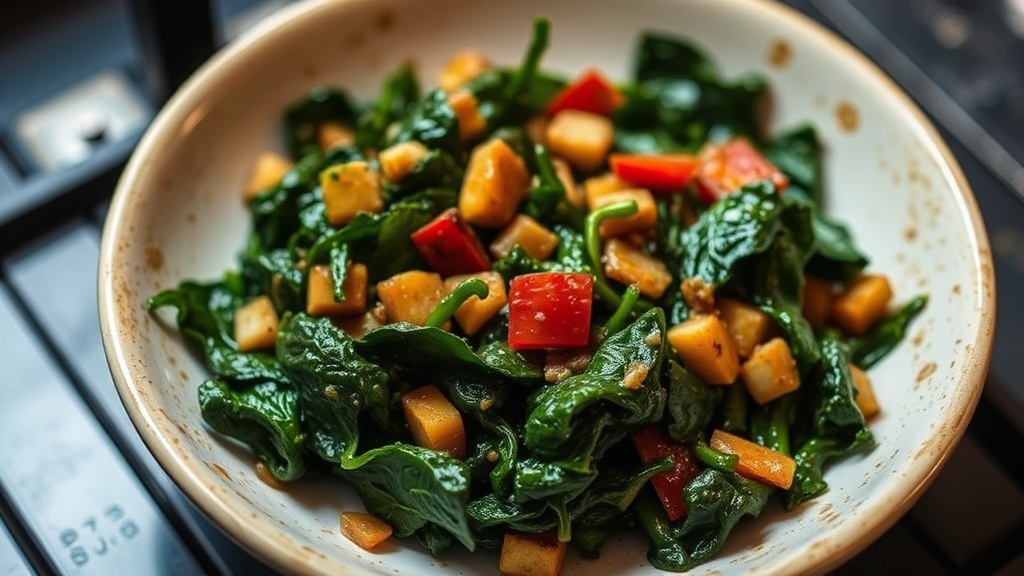
Why Your Sautéed Greens Are Often Bitter and How to Fix It

The Bitter Reality of Cooking Greens
Did you know that the bitterness in leafy greens like kale, collards, or swiss chard isn't just a flavor profile, but a biological defense mechanism? Plants produce these bitter-tasting compounds—specifically glucosinolates—to deter herbivores from eating them. When we cook these greens, we aren't just softening the fiber; we're engaging in a chemical battle to make them palatable. If you've ever bit into a batch of sautéed kale and felt that sharp, unpleasant sting on the back of your tongue, you haven't just had a bad batch of produce. You've encountered an unmanaged chemical reaction.
This post covers the chemistry of bitterness in vegetables and, more importantly, the practical methods you can use to neutralize it. We'll look at acid, fat, and heat to turn a harsh pile of leaves into a smooth, savory component of your midday meal. Understanding these variables helps you move beyond simple following of recipes and toward true kitchen intuition.
How Can You Reduce Bitterness in Kale and Collards?
The most direct way to combat bitterness is through the strategic use of acid. Acid acts as a counterbalance to the sharp, alkaline notes found in many brassicas. A squeeze of fresh lemon juice or a splash of high-quality vinegar right at the end of the cooking process can brighten the flavor and mask the bite. However, adding acid too early can actually prevent the greens from softening properly, so timing is everything.
Another effective method is the use of salt and fat. Salt doesn't just add seasoning; it actually suppresses the perception of bitterness on the human palate. When you combine salt with a healthy amount of fat—like olive oil, butter, or even a bit of rendered bacon fat—you create a coating on the tongue that prevents the bitter compounds from hitting your taste buds with full force. It’s a simple trick, but it makes a massive difference in the final texture and taste.
If you're looking for more technical details on how flavor profiles work, the Institute of Food Technologists offers deep dives into the sensory science of food. You might find that what you call "bitter" is actually a lack of salt or fat balance.
Does Cooking Time Affect the Taste of Greens?
It's a common misconception that a quick sauté is always the best way to prepare greens. While a quick sauté preserves the bright green color, it often leaves the texture tough and the flavor aggressive. For many varieties, a longer, slower cook time is actually better. Breaking down the cellulose through a slow braise or a low-heat sauté allows the bitterness to mellow out significantly. This is why many traditional recipes call for cooking greens with aromatics and liquids for extended periods.
Think of it as a gradual softening of the vegetable's defenses. When you cook greens slowly, you're not just softening the physical structure; you're also allowing the flavors to meld. If you're in a rush, you might end up with a dish that feels "raw" in flavor even if it's cooked through. For a different perspective on cooking temperatures and chemical changes, check out the resources at The Exploratorium's Science of Cooking.
The Role of Aromatics in Flavor Masking
Aromatics—things like garlic, onions, shallots, and ginger—aren't just there for decoration. They provide a savory foundation that competes with the bitterness of the greens. When you start your pan with a base of sautéed onions or garlic, you're building a flavor bridge. That savory, sweet profile helps to ground the dish.
Try experimenting with these combinations:
- Garlic and Red Pepper Flakes: Adds a spicy, pungent note that distracts from bitterness.
- Onions and Apple Cider Vinegar: The sweetness of the onion and the acidity of the vinegar create a perfect balance.
- Nutritional Yeast: A great way to add a savory, "cheesy" element that masks any remaining edge.
What Is the Best Way to Store and Prep Greens?
Preparation starts long before the pan hits the heat. If your greens are old or have been sitting in a refrigerator for too long, the bitterness will be significantly higher. Older produce often has more concentrated alkaloids as the plant begins to stress or age. Always check the vibrancy of your greens; if they look limp or yellowish, they're going to be much more difficult to cook effectively.
When washing your greens, a quick soak in a bit of salt water (brine) can sometimes help draw out some of the more aggressive flavors, though this is more common in traditional cuisines. More importantly, ensure you are removing any tough stems or thick ribs, as these parts contain the highest concentration of the bitter-tasting fibers. A clean, well-prepped leaf will always cook more predictably than a messy, unwashed one.
Using a table to compare common greens and their bitterness levels can help you plan your meals:
| Green Type | Bitterness Level | Best Pairing |
|---|---|---|
| Kale | High | Lemon & Garlic |
| Collard Greens | Medium-High | Smoked Meat & Vinegar |
| Swiss Chard | Medium | Nutmeg & Butter |
| Spin-off/Spinach | Low | Parmesan & Pine Nuts |
By understanding these nuances, you'll stop fighting your ingredients and start working with them. Cooking is as much about managing chemistry as it is about heat. Next time you reach for those greens, don't just toss them in a pan—think about the acid, the fat, and the time required to make them truly delicious.