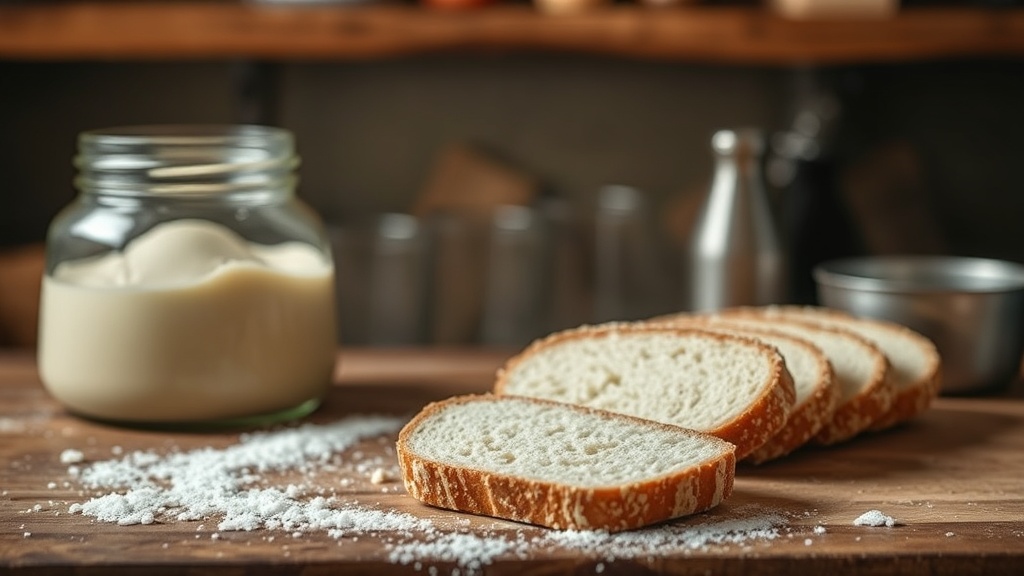
Why Your Sourdough Starter Always Smells Like Vinegar

The Science of Sourdough Starter Scent
You peek into your glass jar and find a liquid that smells sharply of vinegar or even old gym socks. It's a common sight for anyone attempting to maintain a wild yeast culture. Most people assume their starter is dead or ruined, but often, it's just a predictable byproduct of how yeast and bacteria interact. Understanding this scent profile helps you determine if you're dealing with a healthy fermentation or a genuine problem that requires a complete restart.
A healthy starter should smell tangy, fruity, or even slightly boozy. When it leans heavily into that sharp, acidic vinegar smell, it usually means the acidity levels have climbed too high. This happens because the lactic acid bacteria (LAB) are producing more acid than the yeast can keep up with, or perhaps the yeast is running out of food. It isn't a disaster—it's a sign that the balance of your micro-ecosystem has shifted.
If you've noticed this, don't throw the whole thing out just yet. Most of the time, a simple adjustment to your feeding schedule or the ratio of flour to water can reset the environment. It's about managing the variables of temperature, hydration, and feeding frequency to keep that acidity in check.
How Do I Fix a Sour Sourdough Starter?
The most common culprit for a vinegary starter is a lack of fresh flour. When the yeast eats through all the available sugars in the flour, the byproduct is a buildup of acid. To fix this, you need to focus on a more frequent feeding schedule. Instead of once every 24 hours, try feeding it every 12 hours for a day or two. This gives the yeast a constant supply of new sugars and helps dilute the concentrated acid.
You can also experiment with the hydration level. Some bakers find that a stiffer starter (using more flour than water by weight) slows down the fermentation process. A thicker dough moves more slowly, which can prevent the rapid acid production that leads to that intense vinegar smell. If your starter is very runny, it's often more prone to rapid acid buildup. Try using a 1:2:2 ratio (starter:flour:water) instead of the standard 1:1:1 to see if that steadies the scent.
Another tactic is to change the type of flour you use. Whole grain flours like rye or whole wheat contain more nutrients and minerals, which can speed up fermentation. If your starter is getting too acidic, switching to a more refined white flour for a few feedings can slow things down. According to the experts at King Arthur Baking, managing these small shifts in flour type can significantly impact the flavor profile and activity level of your culture.
Can I Use a Starter That Smells Too Strong?
The short answer is yes, provided there is no visible mold. A strong, pungent odor is a sign of high acidity, which is actually a good thing for the long-term stability of the culture. A highly acidic environment prevents bad bacteria from taking hold. If the smell is just "strong" or "sharp" but doesn't include any hints of rot or decay, it's likely still usable for baking.
However, you'll notice a difference in your bread. A starter with extremely high acidity might produce a loaf with a much more aggressive sour flavor. If you want a more mild, bread-like scent, you'll need to "wash" the acidity out by performing several consecutive feedings with fresh flour and water before you bake. This helps the yeast populations catch up to the bacteria.
| Scent Profile | Likely Cause | Action Required |
|---|---|---|
| Sharp Vinegar | Acid buildup/Hunger | Increase feeding frequency |
| Acetone (Nail Polish) | Extreme starvation | Feed immediately/Increase ratio |
| Mildly Boozy/Yeasty | Healthy fermentation | No action needed |
| Rotten/Fecal | Contamination/Mold | Discard and start over |
It's important to watch for the visual cues alongside the scent. A healthy starter should have bubbles of various sizes and should ideally double or triple in volume after a feeding. If it's bubbling but smells like a vinegar factory, it's just hungry. If it's not bubbling at all and smells like rot, that's a different story entirely.
What Temperature Should My Sourdough Starter Be?
Temperature is a massive lever in the fermentation process. Warmth accelerates everything. If your kitchen is sitting at 80°F (27°C), your starter will eat through its food incredibly fast, leading to that sharp, vinegary smell you're trying to avoid. In warmer environments, you almost certainly need to feed your starter more often or use a higher ratio of flour to water to keep it from becoming overly acidic.
On the other hand, if your kitchen is cold, the fermentation might stall, and the scent might become more stagnant. For optimal growth, most bakers aim for a consistent temperature between 70°F and 75°F. If you find your starter is behaving wildly, you might want to check your thermometer. A stable environment leads to a stable scent. You can find more detailed technical breakdowns of fermentation temperatures and their effects on yeast activity at The Spruce Eats.
If you are a beginner, don't get too caught up in perfection. Sourdough is a living thing, and it's going to change based on the weather, the flour you buy, and even the water from your tap. If your starter smells a little funky one day, it's not a failure; it's just a signal that the environment has shifted. Adjust your feeding, keep an eye on the temperature, and listen to what the culture is telling you through its scent.