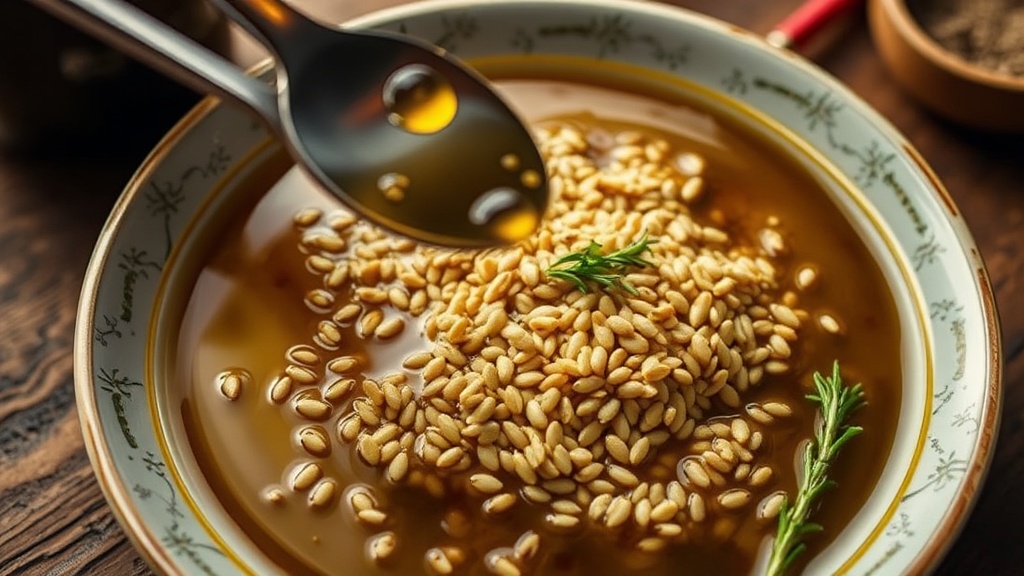
Unexpected Ways to Use Toasted Sesame Oil in Your Midday Meals

Whisking into Vinaigrettes
Tossing with Warm Grains
Finishing Roasted Vegetables
This post explores how to use toasted sesame oil beyond traditional stir-fries by incorporating it into dressings, marinades, and finishing oils for lunch-friendly meals. You'll learn how to balance its intense flavor, prevent it from burning, and use it to add depth to everything from salads to roasted vegetables. Toasted sesame oil is a high-impact ingredient that, when used correctly, adds a nutty, savory dimension to midday meals without being overwhelming.
What Is the Difference Between Regular and Toasted Sesame Oil?
Toasted sesame oil has a much higher smoke point and a more intense, nutty flavor than regular light sesame oil. While regular sesame oil is often used as a neutral base for cooking, the toasted variety—which is what most people mean when they say "sesame oil"—is meant for finishing or flavoring rather than deep-frying. The intense aroma comes from the actual roasting of the seeds during the extraction process.
If you use too much of the toasted variety in a high-heat pan, it can turn bitter or even burn. It’s a common mistake. I've seen people try to use it as their primary frying oil for a stir-fry, and the result is usually a burnt, acrid mess. Instead, treat it like a finishing touch.
For a deeper dive into the science of fats and oils, you can check out the technical breakdown on Wikipedia regarding oil extraction and smoke points. It helps to understand exactly what you're putting in your pan.
Here is a quick breakdown of how to use them:
| Oil Type | Flavor Profile | Best Use Case |
|---|---|---|
| Regular (Light) Sesame Oil | Mild, neutral, slightly nutty | Base oil for sautéing or making large batches of dressing |
| Toasted Sesame Oil | Intense, smoky, deeply savory | Drizzling over finished dishes or adding to sauces |
How Can You Use Toasted Sesame Oil in Salads?
You can use toasted sesame oil to create a rich, savory dressing that transforms a simple bowl of greens into something substantial. Rather than a basic vinaigrette, try a combination of the oil, rice vinegar, and a bit of soy sauce. This works beautifully with crunchy textures like cucumbers or shredded cabbage.
I love making a quick peanut or tahini-based dressing using a teaspoon of toasted sesame oil. It adds a layer of complexity that makes a standard lunch salad feel much more intentional. If you're making a grain bowl, a drizzle of this oil over the top of the grains can make a huge difference.
If you like experimenting with textures in your bowls, you might want to incorporate miso paste to add even more umami to your dressings. The combination of fermented miso and toasted sesame oil is a classic for a reason.
One thing to watch out for is the ratio. Because the flavor is so concentrated, a little goes a long way. If you overdo it, your salad will taste like pure oil rather than a balanced dressing. Start with a few drops and work your way up.
Can You Use Toasted Sesame Oil in Non-Asian Recipes?
Yes, you can use toasted sesame oil in various non-Asian dishes to add a surprising nutty depth. It works remarkably well in Mediterranean-inspired bowls or even as a finishing oil for roasted root vegetables. Think of it as a more flavorful alternative to toasted sesame seeds or even a nut-based oil.
For example, try drizzling it over roasted sweet potatoes or carrots once they come out of the oven. The sweetness of the vegetables plays perfectly against the smokiness of the oil. It's a simple way to make a basic side dish feel more gourmet. (And no, it doesn't make the dish "Asian-themed"—it just makes it taste better.)
It also works well with roasted poultry. If you're prepping chicken breasts for a quick lunch, a light brush of sesame oil and salt before roasting can add a lovely crust. It's a subtle way to change the flavor profile of a standard protein.
- Roasted Veggie Drizzle: Mix 1 tsp toasted sesame oil with 2 tbsp olive oil and drizzle over roasted Brussels sprouts.
- Savory Grain Bowl: Add a teaspoon to a bowl of quinoa, avocado, and a soft-boiled egg.
- Pasta Finish: Toss cooked noodles with a bit of garlic, chili flakes, and a splash of toasted sesame oil for a quick lunch.
How Do You Prevent Toasted Sesame Oil from Burning?
The best way to prevent toasted sesame oil from burning is to add it at the very end of your cooking process or use it as a cold finishing oil. Because the smoke point of toasted sesame oil is lower than many other oils, it can easily scorch if subjected to high heat for long periods. This results in a bitter taste and can even create unpleasant smoke in your kitchen.
If you're making a stir-fry, cook your aromatics (like garlic and ginger) and your protein in a more stable oil like grapeseed or even a regular light sesame oil first. Once the heat is off or the pan is no longer at a rolling boil, that's when you stir in the toasted oil. This preserves the delicate aromatics and prevents the oil from breaking down.
This is especially important when you're making sauces. If you're making a thick sauce, you might want to create a velvety sauce with cornstarch first, and then stir in the sesame oil at the very end. This ensures the sauce stays smooth and the flavor stays bright rather than smoky and burnt.
Pro-tip: Keep your sesame oil in a cool, dark place. Light and heat can degrade the quality of the oil over time, making it taste even more bitter if it's not stored properly.
When preparing your lunch, don't forget that even a small amount can change the entire experience of a meal. Whether you're adding it to a dressing or using it to finish a bowl of warm grains, the key is restraint. A heavy hand will ruin the dish, but a light touch will make it unforgettable.