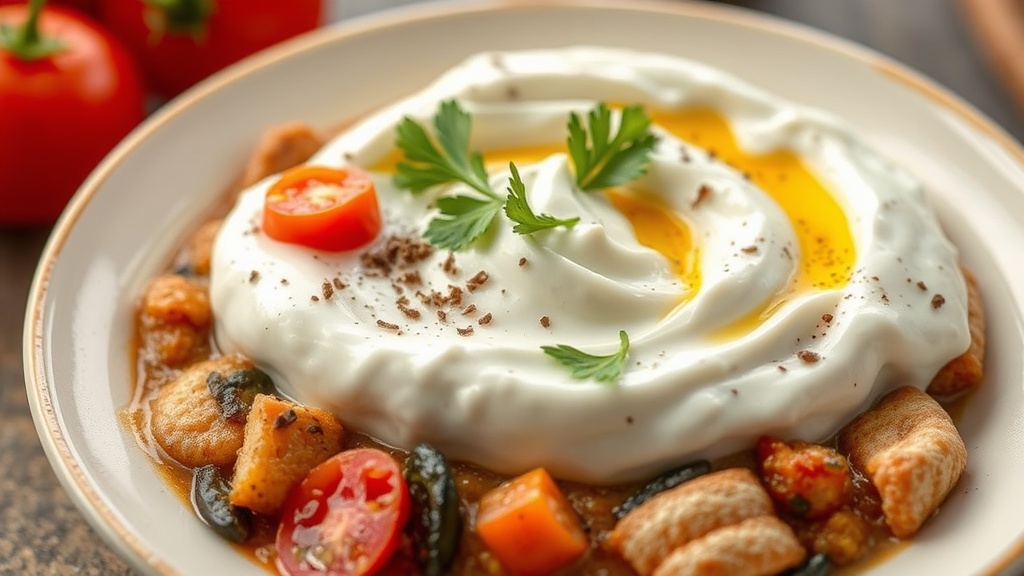
Transform Your Plain Yogurt into a Savory Mediterranean Base

You'll learn how to turn standard plain yogurt into a versatile, savory Mediterranean base using specific spices, fats, and aromatics. This guide covers the ratios for different textures, the best types of yogurt to use, and how to build depth through seasoning. Instead of treating yogurt as a dessert, you'll treat it as a foundational component for grilled meats, roasted vegetables, and grain bowls.
What Type of Yogurt Works Best for Savory Bases?
Full-fat Greek yogurt is the superior choice for a savory Mediterranean base because its high protein and fat content provide a thick, creamy texture that holds up against heat. While you can use low-fat versions, they often become too runny when seasoned or heated. If you want that thick, spoonable consistency found in authentic Mediterranean cuisine, look for brands like Fage Total 5% or Chobani Greek Plain. These brands offer the stability needed when you start adding oils or heavy spices.
If you're looking for something even more intense, you can use traditional Labneh, which is essentially strained yogurt. It's much thicker and acts more like a spreadable cheese. It's a great option if you want a base that won't run off your pita bread.
Here is a quick breakdown of how yogurt types behave when you start cooking with them:
| Yogurt Type | Texture | Best Use Case |
|---|---|---|
| Greek Yogurt (Full Fat) | Creamy & Thick | Dips, sauces for grilled meats, and warm bowls. |
| Regular Plain Yogurt | Thin & Liquid | Marinades or light dressings. |
| Labneh (Strained) | Dense & Spreadable | A base for toppings like za'atar or olive oil. |
| Skyr (Icelandic Style) | Very High Protein | A healthy, high-protein substitute for heavy creams. |
How Do You Season Yogurt for Maximum Flavor?
To season yogurt effectively, you must balance acidity, fat, and salt to prevent it from tasting flat. Most people make the mistake of adding too much salt and not enough bright, herbal notes. A successful savory base requires a combination of a liquid aromatic (like lemon juice or garlic) and a dry spice (like cumin or sumac).
Start with your base yogurt. Add a high-quality extra virgin olive oil to introduce fat—this carries the flavor of the spices across your palate. Then, introduce your aromatics. If you want a punchy, garlic-heavy profile, use a press. If you want something subtle, try a garlic-infused oil. Speaking of oils, if you want to add a layer of complexity, you should infuse your oils with fragrant aromatics before stirring them into the yogurt.
Here is a foolproof way to build your flavor layers:
- The Acid: Use fresh lemon juice or a splash of white balsamic vinegar. This cuts through the heaviness of the yogurt.
- The Aromatics: Fresh garlic, grated cucumber (for Tzatziki style), or finely minced shallots.
- The Spices: Cumin, smoked paprika, or sumac. These add color and a deep, earthy undertone.
- The Herbaceous Note: Fresh dill, mint, or parsley. Always add these at the end to keep them bright.
Don't forget the salt. Without it, the yogurt just tastes like unflavored dairy. A pinch of sea salt or even a bit of feta cheese crumbled in can change everything.
Can You Use Yogurt as a Marinade?
Yes, yogurt makes an incredible marinade because the lactic acid gently breaks down proteins without making them mushy like vinegar can. This is why many Mediterranean and Middle Eastern recipes rely on yogurt-based marinades for chicken or lamb. The calcium and acidity work together to tenderize the meat while the fat keeps it moist during high-heat cooking.
When using yogurt as a marinade, you'll want a thinner consistency than a dip. You don't want a thick paste sitting on top of the meat; you want it to coat the surface. You can achieve this by whisking the yogurt with a bit of water, lemon juice, or even a splash of olive oil. This allows the flavors to penetrate deeper into the protein.
It's a bit like how you might create a velvety sauce—it's all about the viscosity. If it's too thick, the flavor stays on the outside. If it's too thin, it won't cling. Aim for a consistency that coats the back of a spoon.
A quick tip: If you're marinating meat, add your spices directly to the yogurt. The fat in the yogurt helps to "bloom" the spices, making them much more potent. If you're using a spice like cumin, the fat helps distribute that warmth evenly.
One thing to watch out for: don't over-marinate with too much acid. If you leave meat in a highly acidic yogurt mixture for more than 12-24 hours, the texture of the meat can actually become slightly grainy. A 4-to-6 hour window is usually the sweet spot for maximum tenderness.
If you're making a bowl and want to add a bit of crunch to your yogurt base, try adding toasted nuts or seeds. A bit of toasted pine nut or crushed walnuts adds a texture that contrasts beautifully with the smooth yogurt. It's a simple trick, but it makes a massive difference in the eating experience.
The beauty of this approach is the versatility. You can use the same yogurt base for a quick lunch or a more involved dinner. It's a staple for a reason. It's cheap, it's easy, and it's infinitely customizable. Whether you're making a quick snack or a full meal, the yogurt is your canvas.